

Smart Homes, Smarter Pet Safety
Modern technology brings convenience, but automated devices and smart home features can introduce unexpected risks for curious pets. With a few simple precautions and awareness of how animals interact with their environment, you can enjoy the benefits of a connected home while keeping your companions safe and comfortable.

What Experienced Pet Parents Wish They Had Known Sooner
At Dogs On The Run®, we’ve seen firsthand that the happiest, most well-adjusted dogs don’t come from perfect training or rigid routines, but from patient, consistent care over time. Experienced Pet Parents consistently emphasize that dogs respond deeply to human energy, predictable schedules, regular exercise, and meaningful daily interaction. Even small, repeatable habits such as consistent feeding times, bonding moments, and reliable activity can dramatically influence a dog’s behavior and emotional well-being. When life gets busy, maintaining that stability becomes challenging, which is why dependable in-home support can make such a profound difference in keeping pets calm, secure, and thriving.

The Dog-Friendly Drive: Insights from CarOracle
For many drivers in Southern California, choosing the right vehicle isn’t just about performance or style; it’s about how well it accommodates a four-legged passenger. From secure harness systems to seating layouts that allow dogs to lie comfortably, pet-friendly design can make the difference between a stressful ride and an enjoyable road trip. Features like low step-in height, stable seating surfaces, and proper climate control are especially important as dogs age or travel longer distances. Thoughtful planning ensures both safety and comfort, helping drivers focus on the road while their canine companion rides calmly in the back.
Pet Theft Awareness Day: Simple Ways to Keep Pets Safe
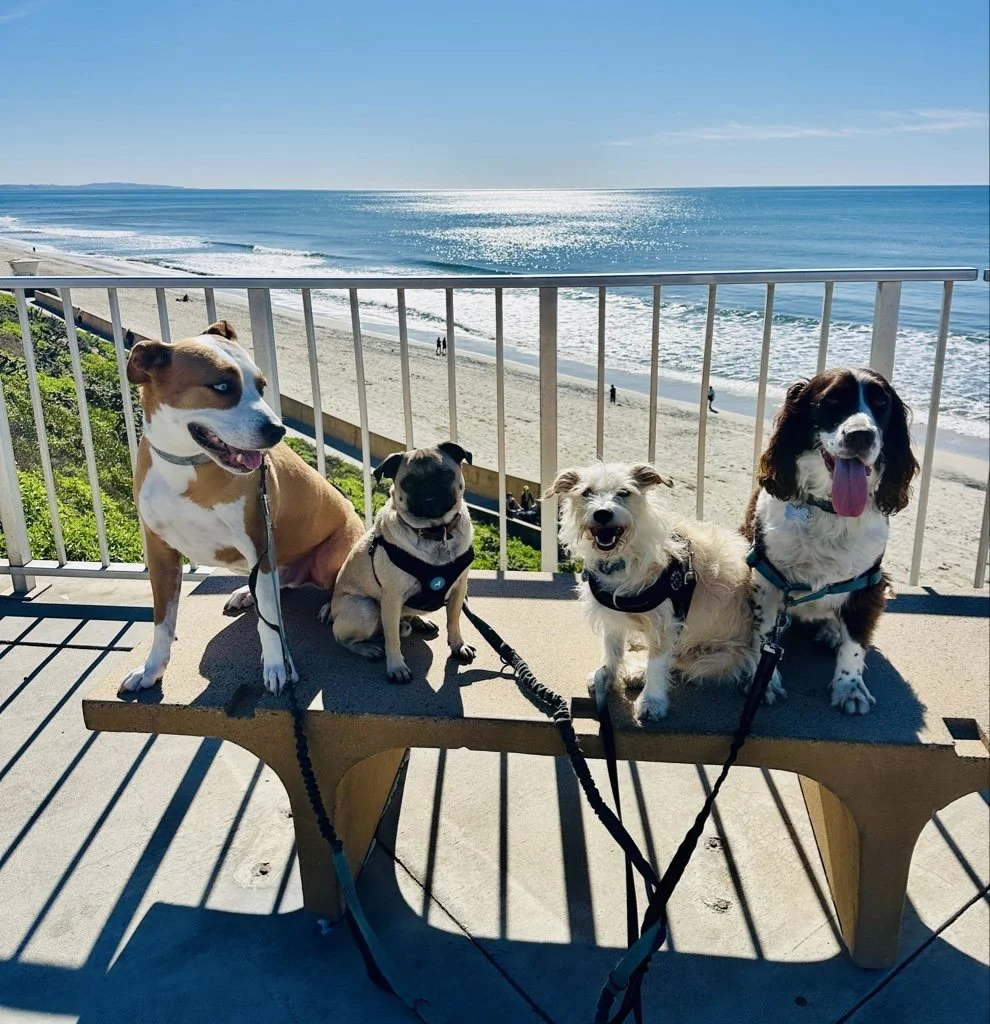
Pet Theft Awareness Day is a reminder that keeping pets safe takes more than love; it takes awareness. Simple habits like never leaving pets unattended, choosing trusted care providers, and keeping microchip information current can dramatically reduce risk and protect the pets we cherish most.

What Pet Parents Should Look For in a Pet Sitter (Beyond “Likes Animals”)
Choosing a pet sitter is about more than availability or price. Knowing what to look for, from observation skills to communication and professionalism, helps ensure your pet receives care that’s calm, consistent, and truly attentive.

Can Dogs Get Socially Exhausted? New Research Says “Yes”
Dogs can become emotionally overwhelmed just like people. New research shows that too much stimulation, social activity, or household chaos can lead to social exhaustion in pets. Understanding the signs helps families create calmer, more balanced environments that support their dog’s emotional well-being.
How Changes in Your Routine Affect Your Pet More Than You Think
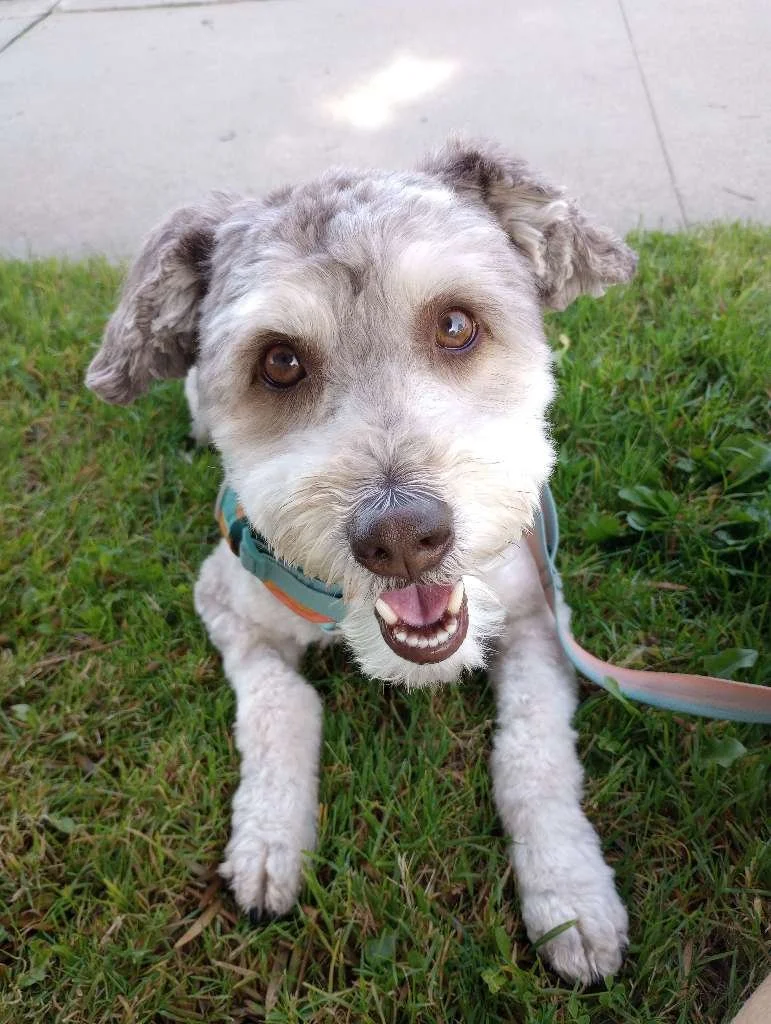
Your pet notices every shift in your daily routine more than you think. Changes in your schedule, energy, or home environment can impact their confidence, behavior, and sense of security. Understanding how these transitions affect your pet helps you support their emotional well-being, especially during busy seasons or travel.
Why Every Pet Parent Needs Reliable Emergency Contacts
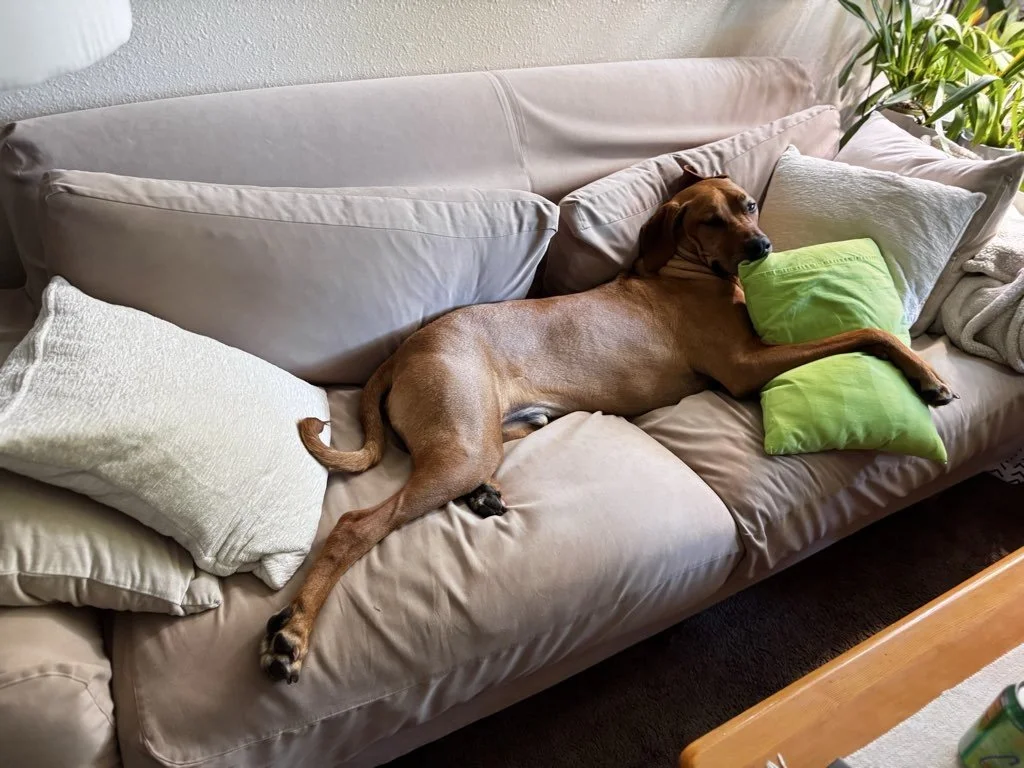
When you leave your pet in the care of a sitter, one emergency contact is often not enough. If you and your spouse are traveling together, on a plane, or in an area without service, your sitter may have no way to reach you in an urgent situation. By adding at least one additional trusted contact, you ensure your pet and your home are always protected.
Why Every Pet Should Wear a Collar and Name Tag
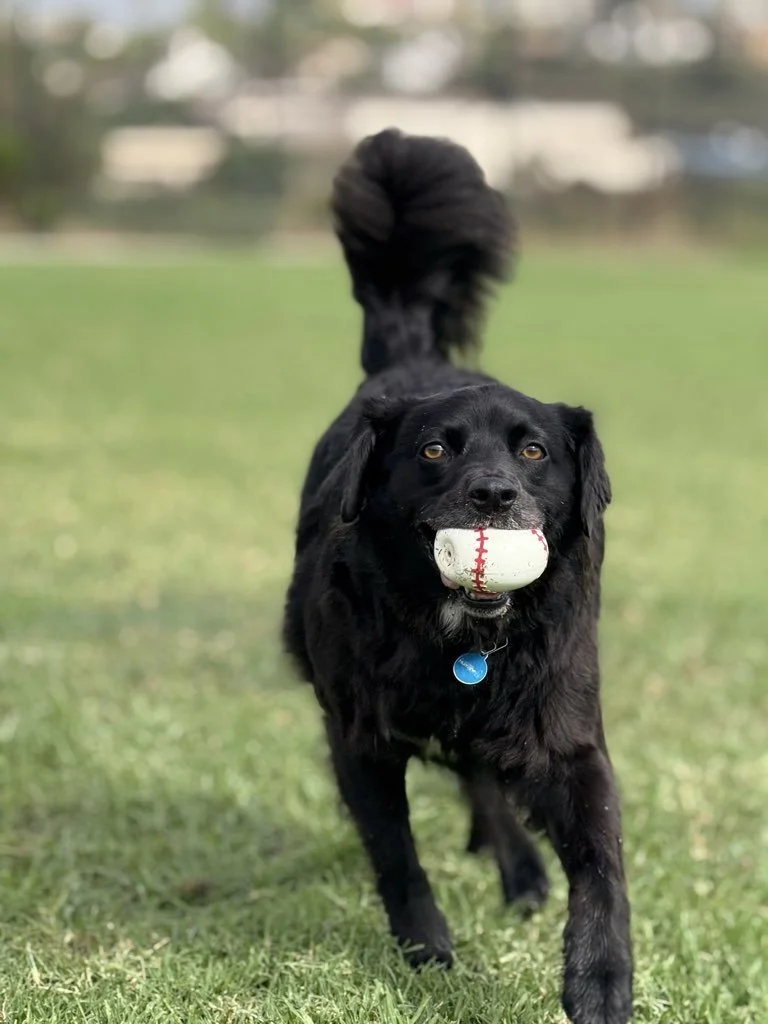
A collar and name tag may seem like a small detail, but they are one of the simplest and most effective ways to keep pets safe. While microchips are important, a visible tag with a phone number allows for an immediate reunion if a pet slips out or gets lost. At Dogs On The Run, we encourage every pet parent to keep a tag on their pet at all times, especially when someone else is caring for them.
Keeping Ants Out of Your Pet’s Food 🐜
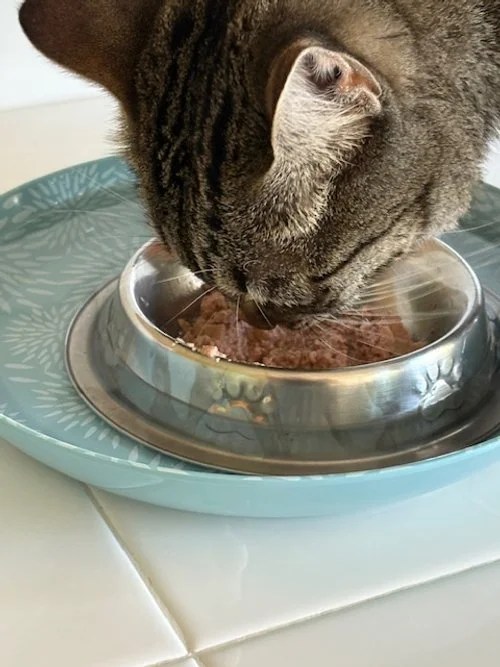
Ants may be tiny, but they can quickly turn your pet’s mealtime into a big problem. From building a moat around food bowls to using ant-proof feeders, pet parents have come up with clever ways to keep these uninvited guests away. Discover simple, effective tips to protect your pet’s food and make mealtime stress-free again.

We Know You Trust DOTR; Here’s Why a Consultation Still Matters
At Dogs On The Run, we carefully vet every professional, but even the best match needs a proper introduction. That’s why we recommend in-person consultations: to ensure your pet feels comfortable, expectations are clear, and your care provider is set up for success. It’s not just about logistics, it’s about building trust from the very first visit.

Pet Licensing: Yes, It’s the Law and Here’s Why It Matters
Did you know that pet licensing is legally required in most California counties? Beyond compliance, a valid license helps reunite lost pets, proves vaccination status, and supports local shelters. Learn why it matters and how to check your pet’s status in just a few minutes.
Buckle Up, Pup: Why Pet Travel Safety Deserves a Second Look
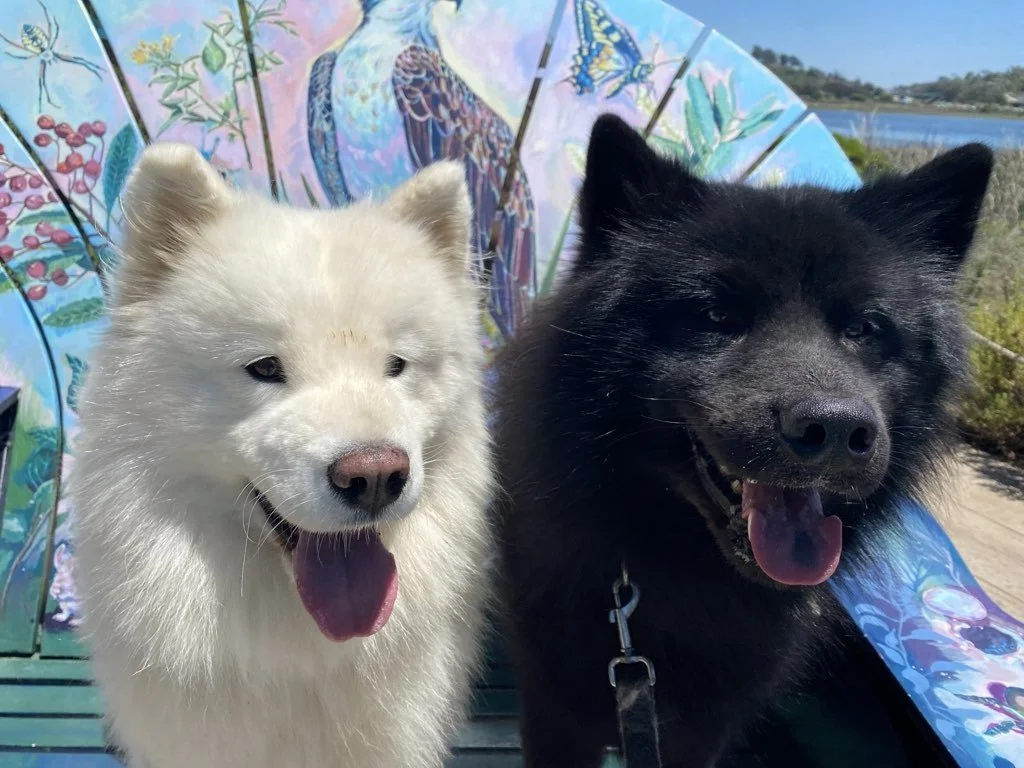
Traveling with your pet? Safety starts before you hit the road. At Dogs On The Run, we encourage pet parents to consider using seatbelts, harnesses, or carriers when transporting their pets — especially when someone else is behind the wheel. This small step can make a big difference in comfort, focus, and safety for everyone involved.

Why Do Dogs Eat Grass?
Does your dog graze on grass like a backyard cow? You’re not alone—and in most cases, it’s totally normal. Veterinary experts say dogs eat grass for a variety of reasons, from instinct and taste to boredom or digestive aid. While the habit is usually harmless, there are times it can signal something more serious. Here’s what the pros want you to know about grass-eating behavior and when it’s time to call your vet.

It’s Pupping Season – Here’s How to Protect Your Pets from Coyotes
As coyote sightings increase during pupping season, it's crucial to protect the ones you love most—your pets. Here’s how to stay vigilant, make your home less inviting to wildlife, and keep every tail wagging in safety.

🐾 How Can I Keep My Pet Safe from Ticks?
Ticks can pose serious health risks to pets, carrying diseases like Lyme and ehrlichiosis. Protecting your furry friend starts with prevention—regular vet-approved treatments, daily tick checks, and a clean yard can go a long way. Learn how to spot, remove, and defend against ticks to keep your pet safe and healthy all year round.
How Earthquakes Affect Pets: Signs of Stress and Ways to Help
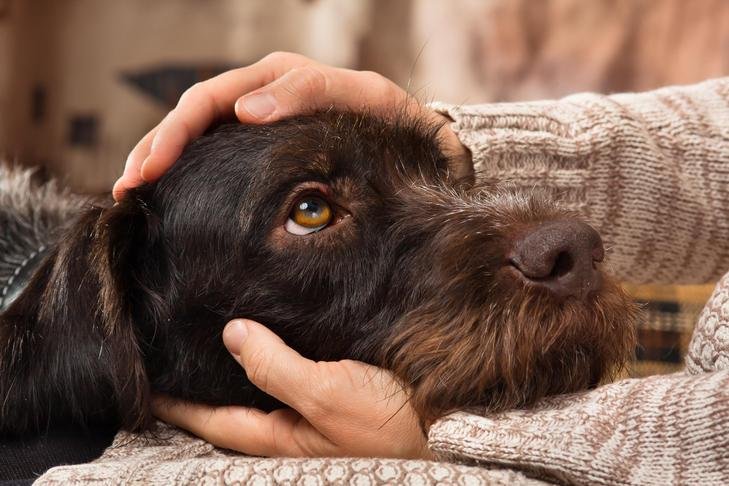
When the ground starts to shake, it’s not just people who feel the fear—our pets do, too. With heightened senses, many animals detect earthquakes before we do, often reacting with stress, confusion, or panic. Understanding how these events impact our furry companions and knowing how to comfort them can make all the difference in keeping them safe and supported.
Why Every Pet Parent & Professional Needs a Disaster Plan
When disaster strikes, having a properly sized crate or carrier for your pet isn’t optional—it’s essential. Every pet should have their own carrier that’s large enough to stand, turn around, and lie down comfortably.
In an emergency, a crate isn’t just a transportation tool—it’s your pet’s safe space. It keeps them secure during evacuation, allows access to pet-friendly shelters or hotels, and prevents them from getting lost in the chaos.
Take time now to get your pet comfortable with their carrier. Practice loading them inside with treats and praise so they’re less stressed if you ever need to use it under pressure.
✅ Pro tip for pet parents and professionals: Label each crate with the pet’s name and your contact information in case you get separated.
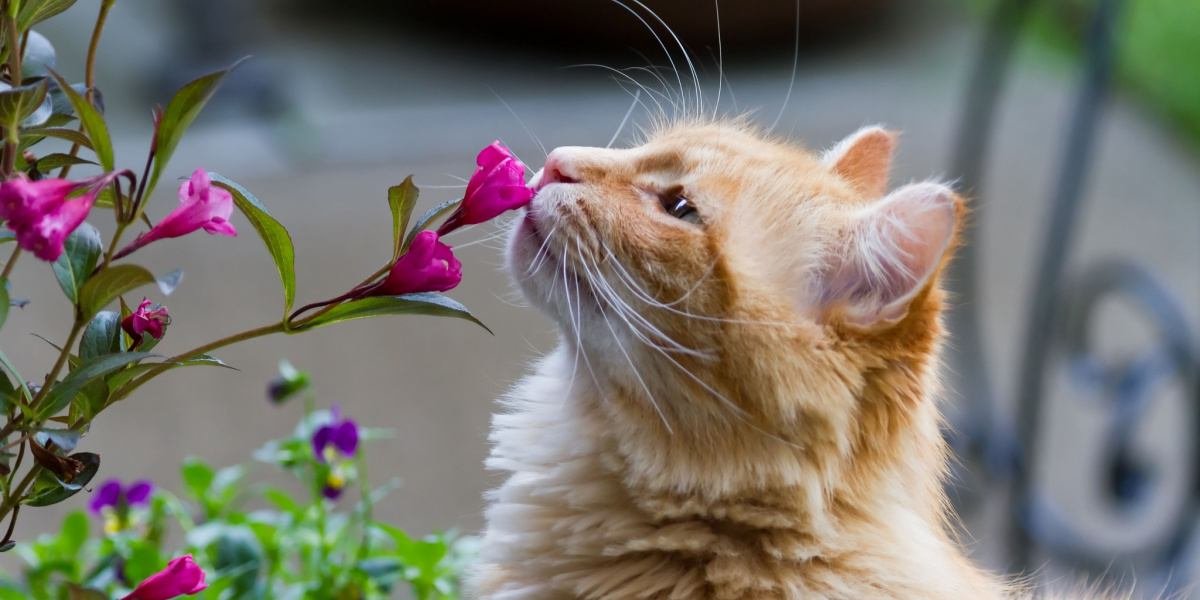
Spring Is In The Air… Let’s Prepare!
Spring is the perfect time to give your lawn a little TLC, but it’s also the season when we need to be extra mindful of our pets around fertilizers. Whether you’re using a chemical or organic fertilizer, it’s important to take a few precautions to protect your furry friends. Keeping them indoors after fertilizing, using pet-safe products, and cleaning their paws after walks can all help prevent exposure to harmful chemicals. Plus, always be aware of where your pets are walking, especially in public spaces where fertilizer may have been applied. A little extra care can go a long way in keeping your pets safe while you enjoy a lush, healthy lawn this season! 🌱🐾
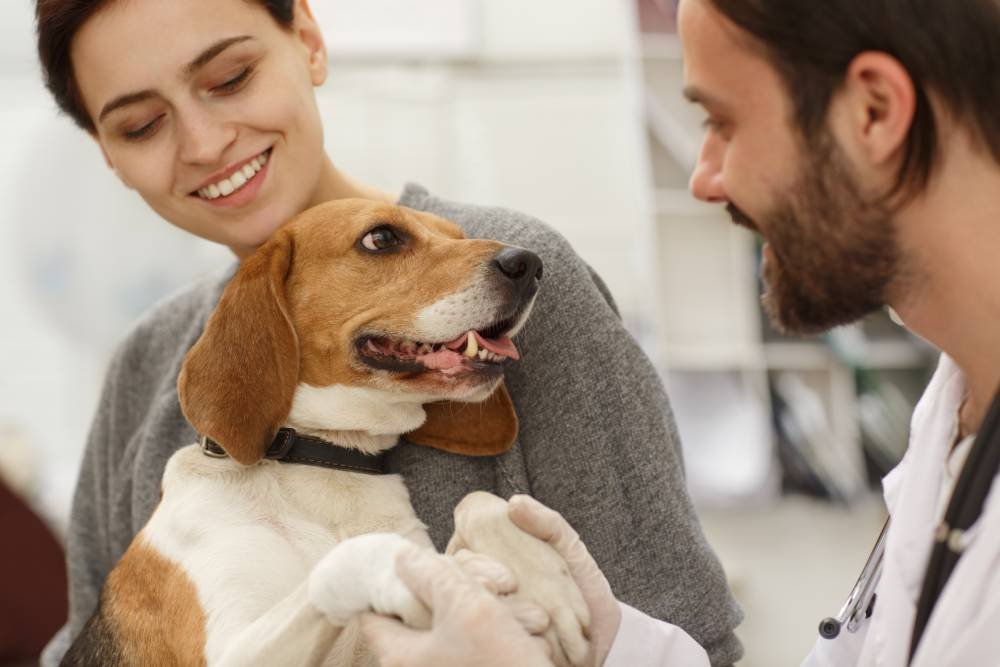
Reminder to Check and Update Your Pet's Microchip: A Simple Step to Ensure Their Safety
As pet parents, we know how much our furry friends mean to us. Whether it's their joyful bark, a comforting purr, or simply their presence in our lives, our pets become family. But as much as we cherish them, the unfortunate reality is that pets can sometimes go missing. According to the American Humane Society, about 10 million pets are lost every year in the U.S. alone. One of the best ways to ensure your pet’s safe return is by keeping their microchip information up-to-date.