
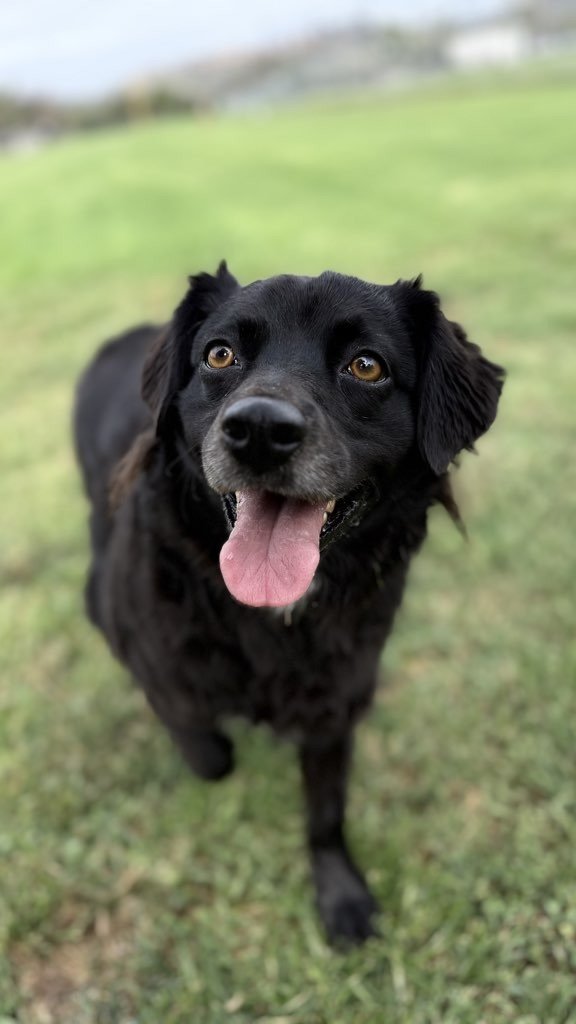
When Separation Anxiety Becomes a Welfare Concern
Every dog misses their family from time to time, but when anxiety begins affecting a dog's physical and emotional well being, it becomes more than a training challenge. Learn the warning signs, when to seek additional support, and how consistency can help your dog feel more secure.

When Your Pet Seems “Clingy” (And What They’re Really Communicating)
If your pet suddenly follows you everywhere or struggles when you leave the room, they may be communicating more than affection. Understanding what clinginess really means can help you support your pet with confidence and care.

The Love Languages of Pets
Pets have love languages too; they just express them differently than we expect.
For some, love looks like following you from room to room. For others, it’s a quiet lean, a slow blink, or simply choosing to rest nearby. Understanding how your pet shows affection can deepen your bond and help you see connection in the smallest moments.
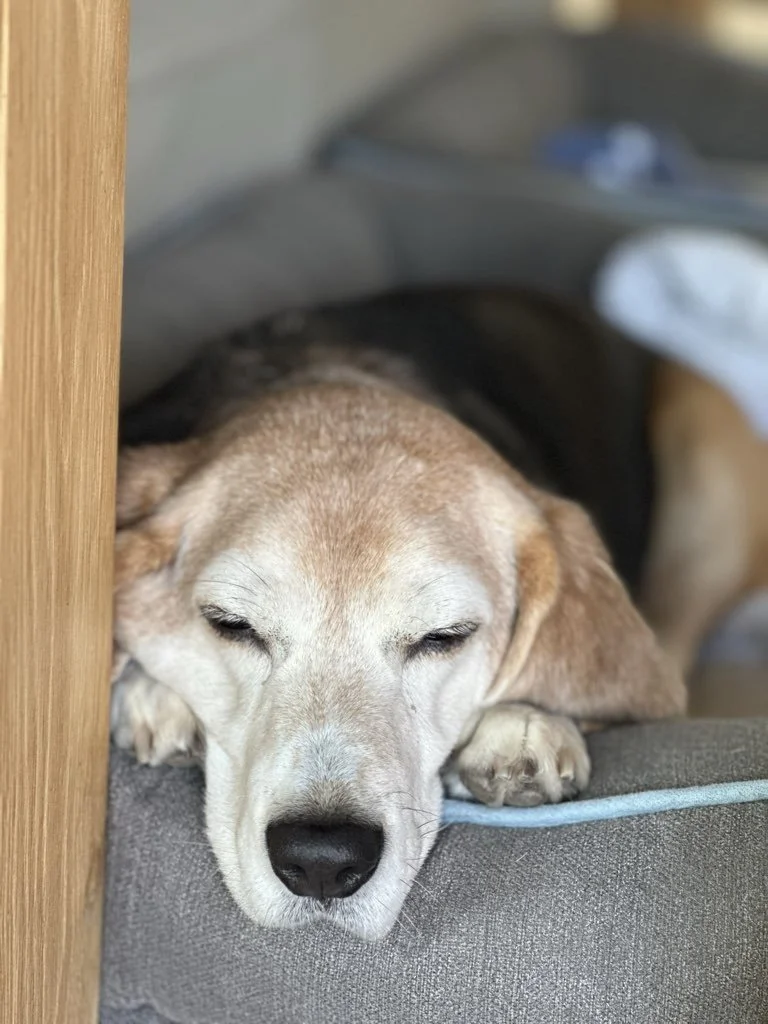
When Your Pet’s Sleep Patterns Change (And Why It Matters More Than You Think)
Changes in your pet’s sleep habits are easy to overlook, but they’re often one of the earliest signs that something isn’t quite right. Understanding what those shifts mean can help you support your pet sooner and more effectively.
Changes in Water Intake That Deserve Attention
Changes in how much your pet drinks are easy to miss, but they’re often one of the earliest signs that something isn’t quite right. Learning what’s normal helps you know when to pay closer attention.
Subtle Signs of Pain Pets Hide Instinctively
Pets instinctively hide pain, often showing discomfort through subtle changes in behavior, movement, or routine. Learning to recognize these quiet signals can make a powerful difference in your pet’s comfort and quality of life.
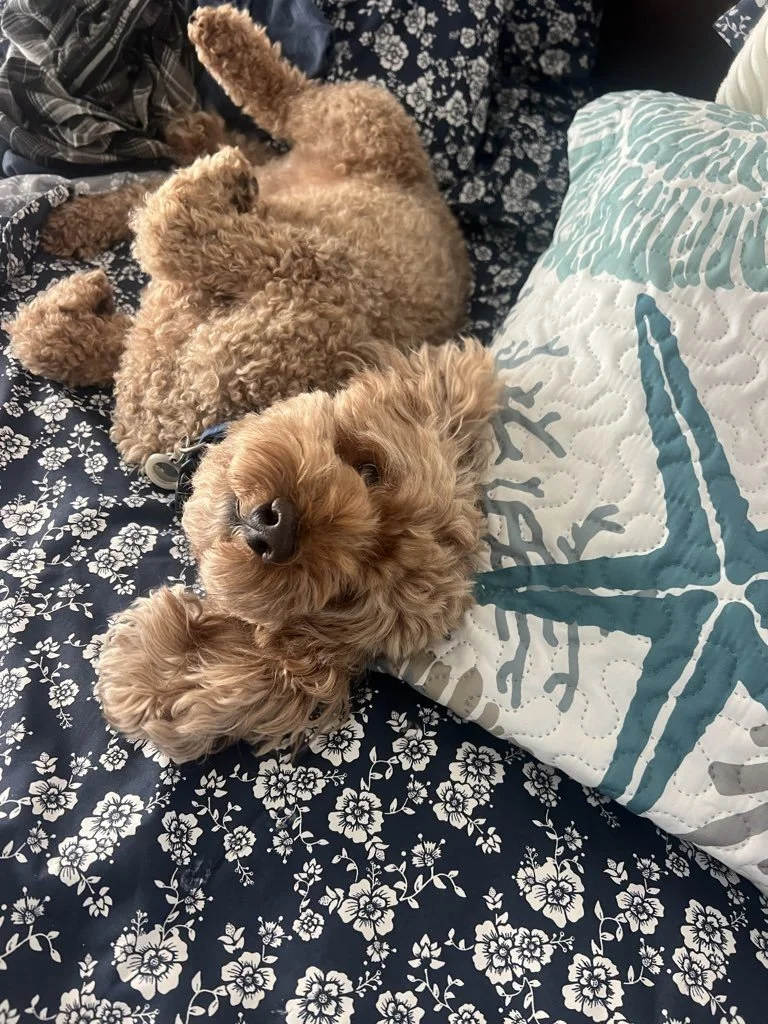
Creating a Calm Exit Instead of a Rushed Goodbye
It’s not the leaving that causes stress, it’s the goodbye. Learn how calm exits build security and why rushing out the door can unintentionally create anxiety for pets.
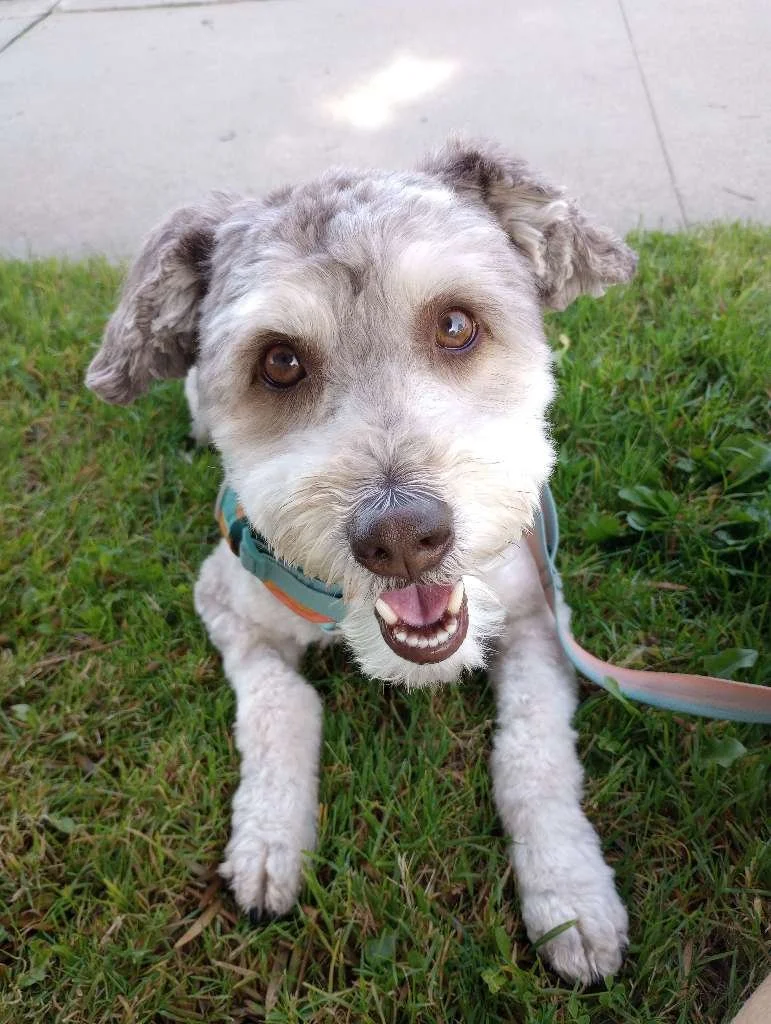
How Changes in Your Routine Affect Your Pet More Than You Think
Your pet notices every shift in your daily routine more than you think. Changes in your schedule, energy, or home environment can impact their confidence, behavior, and sense of security. Understanding how these transitions affect your pet helps you support their emotional well-being, especially during busy seasons or travel.

Why Your Pet Sitter or Dog Walker Wants Every Detail
Professional pet sitters and dog walkers rely on details. From routines and schedules to quirks, fears, and favorite toys, sharing information helps your Dogs On The Run professional provide the thoughtful, consistent care your pet deserves. Never worry about overcommunicating. The more we know, the better we care.
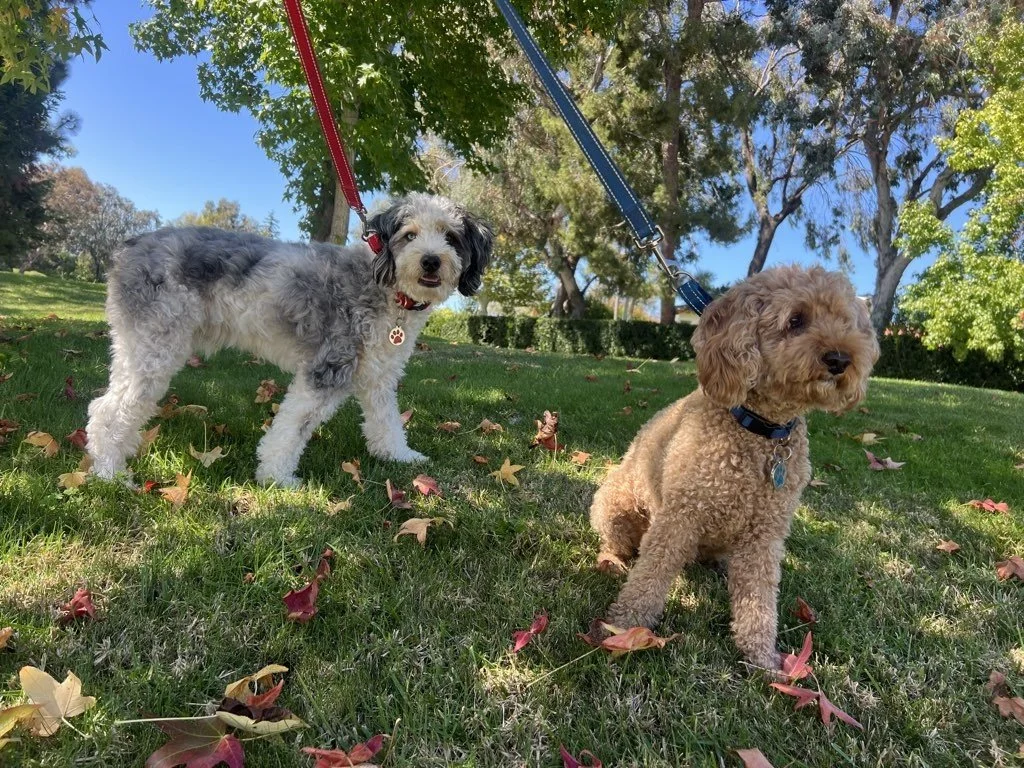
Understanding Puppy Potty Signals
Learning your puppy’s potty signals is the secret to faster housebreaking and fewer accidents. From sniffing and circling to whining or pacing, puppies communicate their needs long before they go, you just have to know what to look for. Recognizing these early cues, acting quickly, and rewarding success helps your pup build confidence and consistency. With patience and routine, you’ll both master the potty routine in no time.
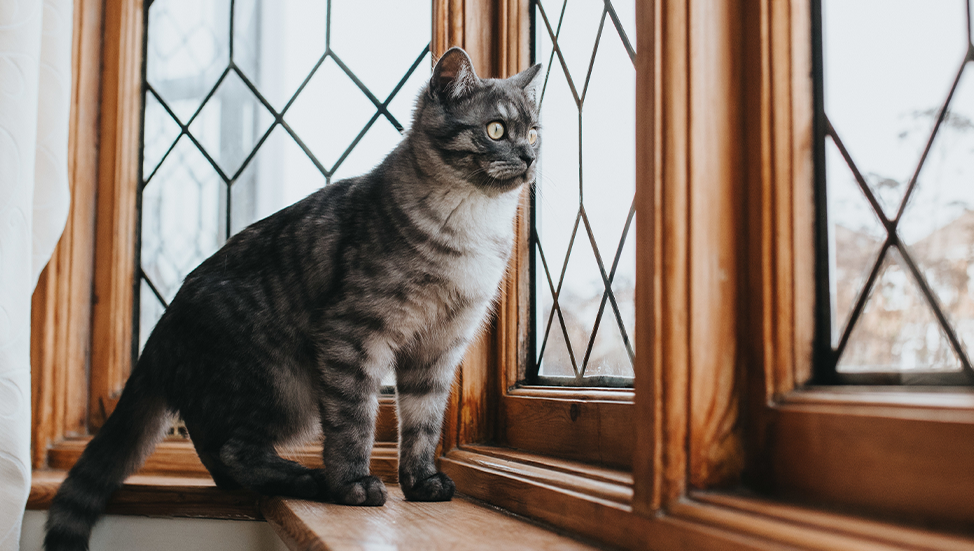
Understanding the Mystery of Cat Chirping
When cats chatter or "chirp," especially when they’re looking at birds or small animals outside, it’s often a combination of excitement and frustration. Cats are natural hunters, and this behavior may be their way of expressing their desire to chase or catch the prey they see, even though they’re not physically able to. Some experts also suggest that the chattering could mimic the sounds of prey animals, helping them refine their hunting skills.
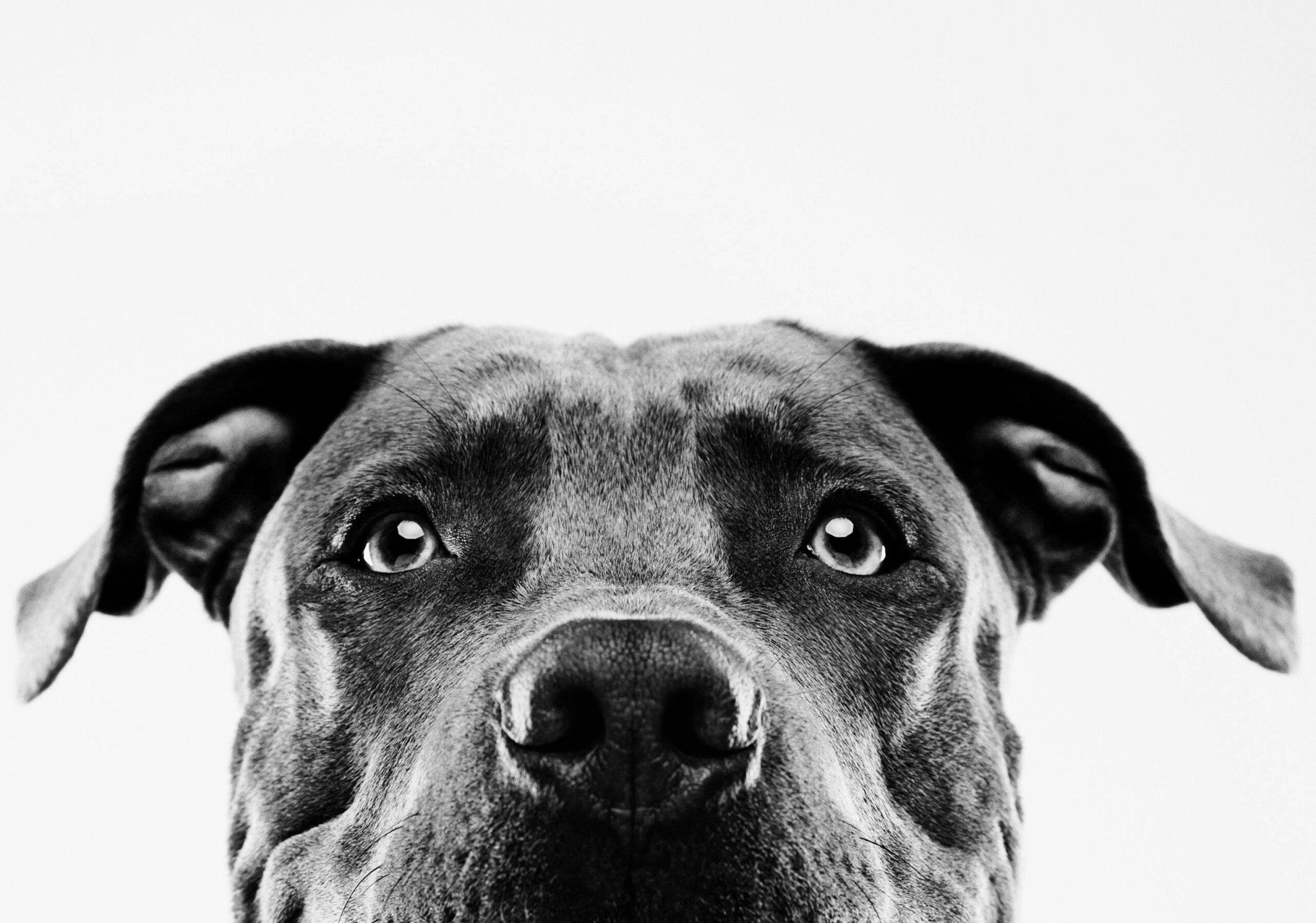
Minimizing Risk: Keeping Pets Safe
Written By: Heather Vandemark
When things go wrong unexpectedly, we often say, "Accidents happen." However, many accidents are preventable. Sometimes, distractions or a false sense of security can create opportunities for disaster.
I’ve experienced the anxiety of receiving the phone call that my dog had run away. My dog was 11 years old—typically not an escape artist or a runner. But as we know, a pet’s behavior can change due to factors like a new home, a different caregiver, the loss of a family member, or even something as simple as a change in diet.